
Breaking the Emotional Overeating Cycle

Breaking the Emotional Overeating Cycle

Breaking the Emotional Overeating Cycle

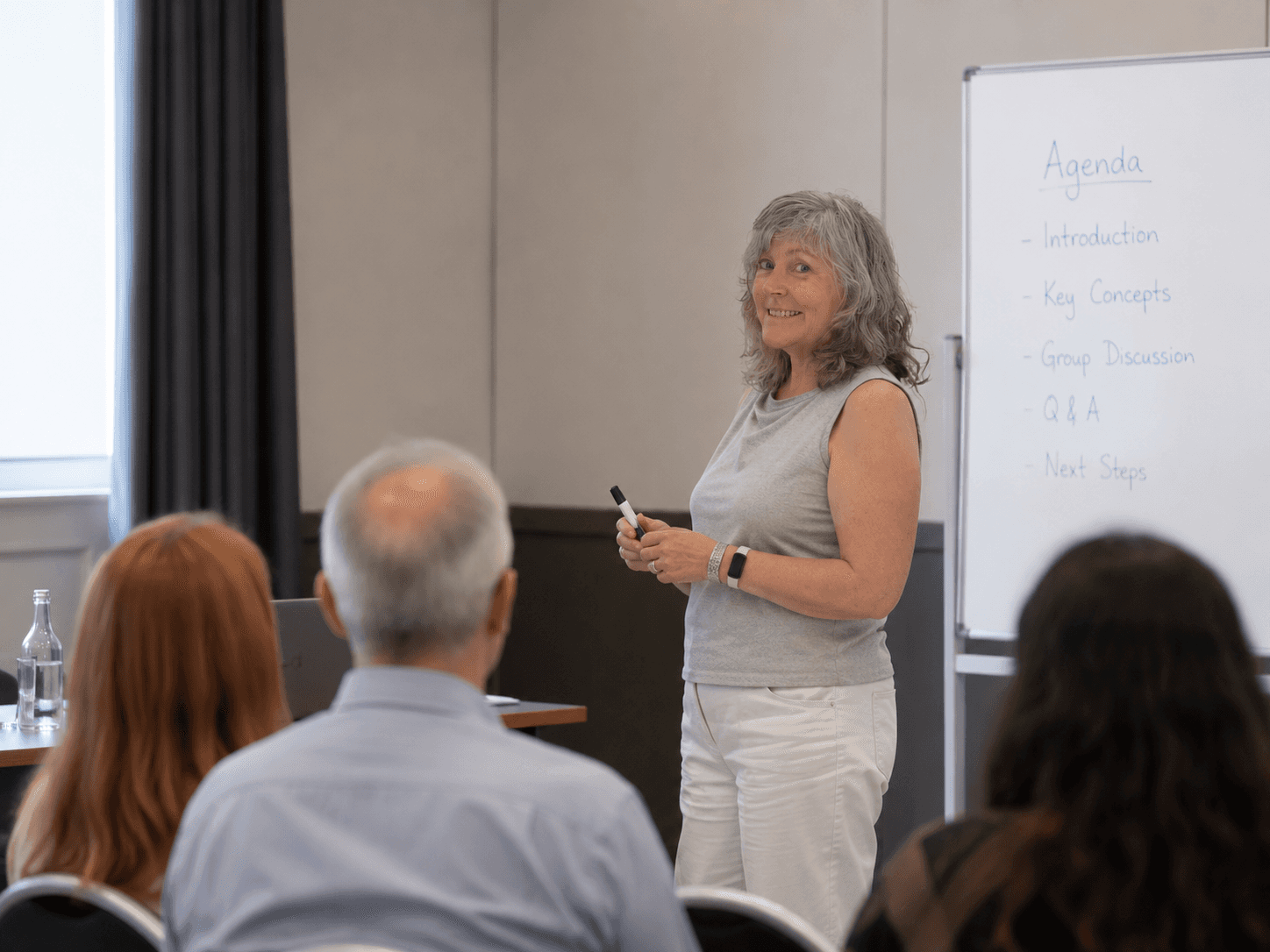
A six-week pilot programme (one four-hour session per week) exploring why we eat when we’re not physically hungry – and how we can learn to respond differently.

CBT-informed strategies • EMDR-informed practices • mindfulness • practical food and lifestyle strategies • a safe space to share, reflect & relax.

6 consecutive weeks • Limited to 12 participants | Tomar/Central Portugal • Starting January 2027

✕ Move beyond the constant focus on weighing-scales

✕ Move beyond stress-driven grazing

✓ Body-positive – without any need to count a single calorie

Free Pilot · January 2027

The Tomar Pilot

The Tomar Pilot

The Tomar Pilot

A six-week small-group programme • Maximum 12 participants*

The programme itself is being offered free of charge as a pilot, apart from a small administration fee of 25 euros.

In return, participants will be asked to complete brief evaluations before, during and after the programme and provide honest feedback about their experience.

Why only 12 places?

This is deliberately a small group. Keeping the pilot to a maximum of 12 people allows for discussion, practical exercises and meaningful feedback while retaining a supportive group atmosphere.

Why free?

This is the first pilot of the LifePlus approach to emotional overeating. Your feedback will help us understand what is genuinely useful, what needs changing and how the programme should develop.

Future Online Programme

Following evaluation of this pilot, Dr Stephenson intends to develop a revised online version of the programme.

*IMPORTANT: This pilot is designed for people experiencing patterns of emotional overeating. It is not intended to provide treatment for diagnosed or suspected eating disorders, for which specialist assessment and support are necessary.

Where We Meet

The first LifePlus pilot – Tomar, Central Portugal

Six weeks • Face-to-face • Maximum 12 participants • 4-hour, weekly programme

January / February 2027 (dates & times TBC)

If you’re living in or around Tomar, Entroncamento, Torres Novas, Abrantes, Ferreira do Zêzere or the surrounding area, this small pilot may be for you.

The programme will be delivered in English.

white and brown concrete building near water falls under blue sky during daytime
Tomar – home to a UNESCO World Heritage Site

Famed for its monumental 12th-century castle and Convent of Christ, these sessions will be delivered in Tomar – set in the heart of Portugal. It’s a space favoured since ancient times as a place of healing, with breathtaking views.


a courtyard with a fountain in the middle of it
a narrow street lined with buildings and a clock tower

Why Choose Us

What Makes LIFE Plus Different

What Makes LIFE Plus Different

water falls on black rock

Relaxation

Mindfulness

Deep Immersion

We will explore the depths and root causes of emotional overeating and how exactly to address them.

water falls on black rock

Relaxation

Mindfulness

Deep Immersion

We will explore the depths and root causes of emotional overeating and how exactly to address them.

silhouette photo of people

Community

group practices

Small Groups Only

A maximum of 12 participants only ensures a more personalised approach to your needs.

silhouette photo of people

Community

group practices

Small Groups Only

A maximum of 12 participants only ensures a more personalised approach to your needs.

Table with open book, tea and pillows spread around

Support

rejuvenation

Practical Integration

Leave with a sustainable lifestyle plan tailored to you, not just warm feelings.

Table with open book, tea and pillows spread around

Support

rejuvenation

Practical Integration

Leave with a sustainable lifestyle plan tailored to you, not just warm feelings.

Meet Your Experts

Meet Your Experts

Meet your experts

Meet your experts

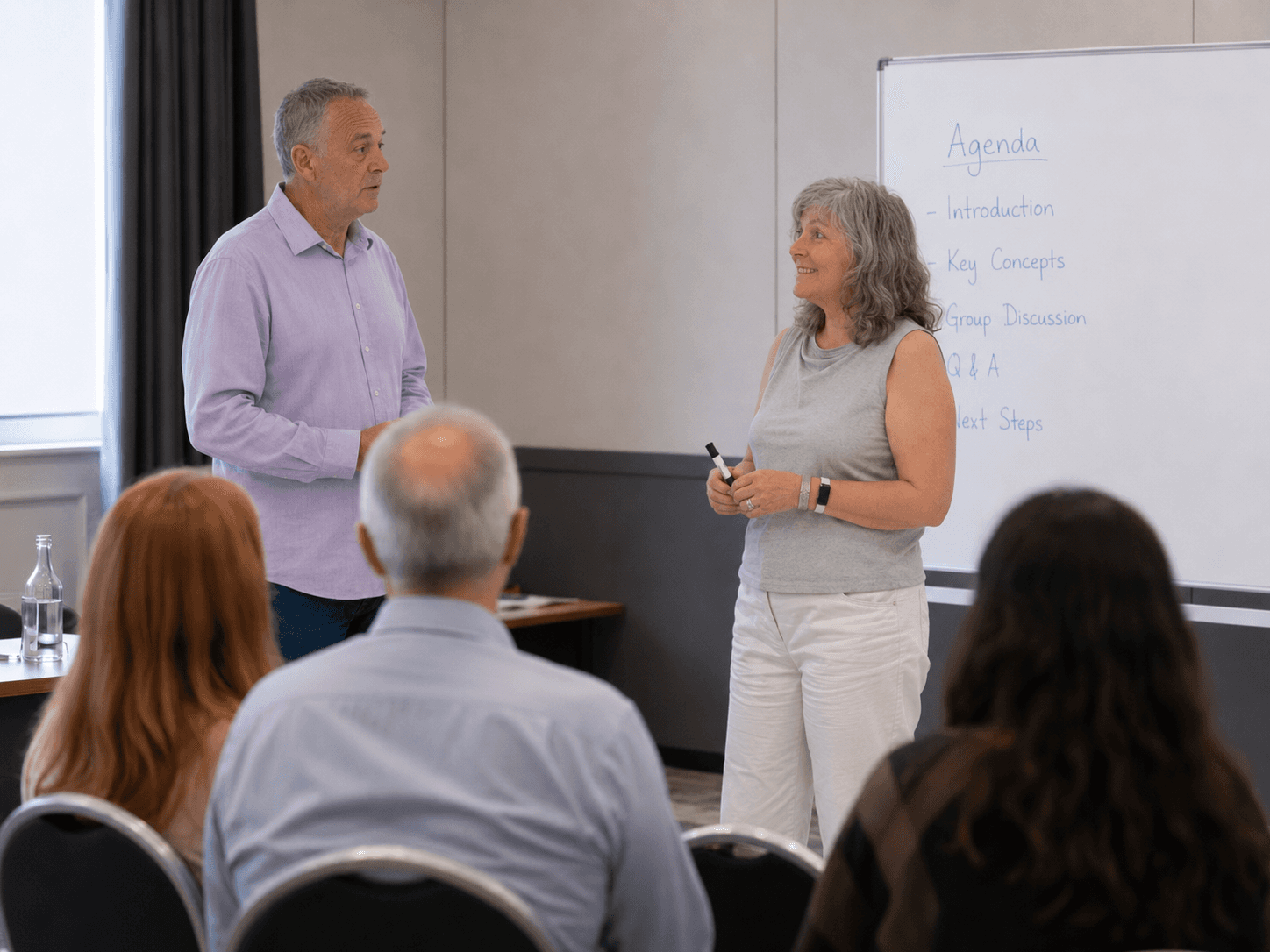
At Life Plus, you are guided by Mick and Karen, a highly experienced team specialising in sustainable weight loss and mindset change.

Mick is a former Harley Street associate psychotherapist, who spent over ten years supporting the mental well-being of elite sporting professionals.

Karen brings a supportive, practical approach to weight loss, ensuring every client feels understood, encouraged, and empowered throughout their journey.

Mick & Karen are the faces of LifePlus Wellness. Mick is the director of Lifeplus Ltd; a UK based company now offering a 6-week supportive programme for emotional overeating. This programme is limited to 12 attendees per session, and runs both virtually (UK) or 'face to face' in Central Portugal

Dr Mick Stephenson

Doctorate-Qualified Psychotherapist

I have over 30 years’ experience in mental health, including 10 years as an associate therapist at a Harley Street clinic supporting elite athletes. Since 2004, I have worked with clients affected by trauma, anxiety, depression, and unhealthy weight gain. A former university lecturer, I have taught internationally and developed stress and anxiety programmes, including for NHS staff. I hold a Doctorate (DCouns & DPsych), awarded with Pass Without Thesis Amendment.

Logo with leaf for a brand called Waypoint

Dr Mick Stephenson

Doctorate-Qualified Psychotherapist

Smiling woman in beige linen outfit standing indoors with plants and books in the background.

Karen Stephenson

Head of General Practice

I started my working career in accounts and then, after having my children, moved to work within the NHS in General Practice, where I worked for over 25 years. My first role was on a temporary basis as a filing clerk and I eventually worked through the ranks at several practices, becoming an Assistant Practice Manager in a large practice in Leicester. I was responsible for HR, complaints, training staff, managing staff, chairing meetings and assisting the Practice Manager in any new projects and systems that were brought in. In 2020 I attended an MHFA Course, becoming a Mental Health First Aider in the Practice. I am currently retired, although I do some self-employed HR projects with my previous Practice Manager as and when required, and also work one day a week for LifePlus, ensuring the smooth running of the administration processes and organising the MHFA Courses that are run by Mick. Outside of work, I enjoy reading, quizzes, walking and Zumba, and am an avid Liverpool Football Club fan. I also enjoy most other sports and played netball for over 35 years.

Logo with leaf for a brand called Waypoint

Karen Stephenson

Head of General Practice

Portrait of Karen Stephenson

What We Do

Our Signature Practices

Our Signature Practices

Our Signature Practices

Our sessions integrate meditation, CBT-informed approaches, EMDR-informed practices and breath-work, adapted to your experience level. Choose to focus on one practice or explore all elements to aid you in your journey to wellness.

The programme may include gentle bilateral tapping, calming/resourcing exercises and positive visualisation. These are introduced as self-regulation and wellbeing practices and are not presented as EMDR therapy or as a substitute for individual psychological treatment.

Woman sitting in sunlight with eyes closed, wearing relaxed neutral clothing in a peaceful setting.

Mindfulness Meditation

Discover stillness and unconver your zen.

Daily guided sessions

Breath awareness and body scanning

Encouraging personal meditation

Urge Surfing

Breathwork & Release

Woman sitting in sunlight with eyes closed, wearing relaxed neutral clothing in a peaceful setting.

Mindfulness Meditation

Discover stillness and unconver your zen.

Daily guided sessions

Breath awareness and body scanning

Encouraging personal meditation

Urge Surfing

Breathwork & Release

Curriculum

What We Cover

What We Cover

What We Cover

Your transformation extends beyond the practice room. We've designed every detail to support deep rest and renewal.

Food & Everyday Wellbeing

Exploring practical food choices and selected nutritional approaches that support general wellbeing.

Urge Surfing

Learning how to ride the wave of your passing urges.

Restraint

Practising the art of ignoring self-destructive behaviours.

Mindfulness

Slowing down, reconnecting, understanding.

Expectation Setting

Adding a touch of realism to optimism.

Day in The Life

What Each Day with LIFE Plus Holds for You

What Each Day with LIFE Plus Holds for You

What Each Day with LIFE Plus Holds for You

Week 1: Understanding your eating patterns

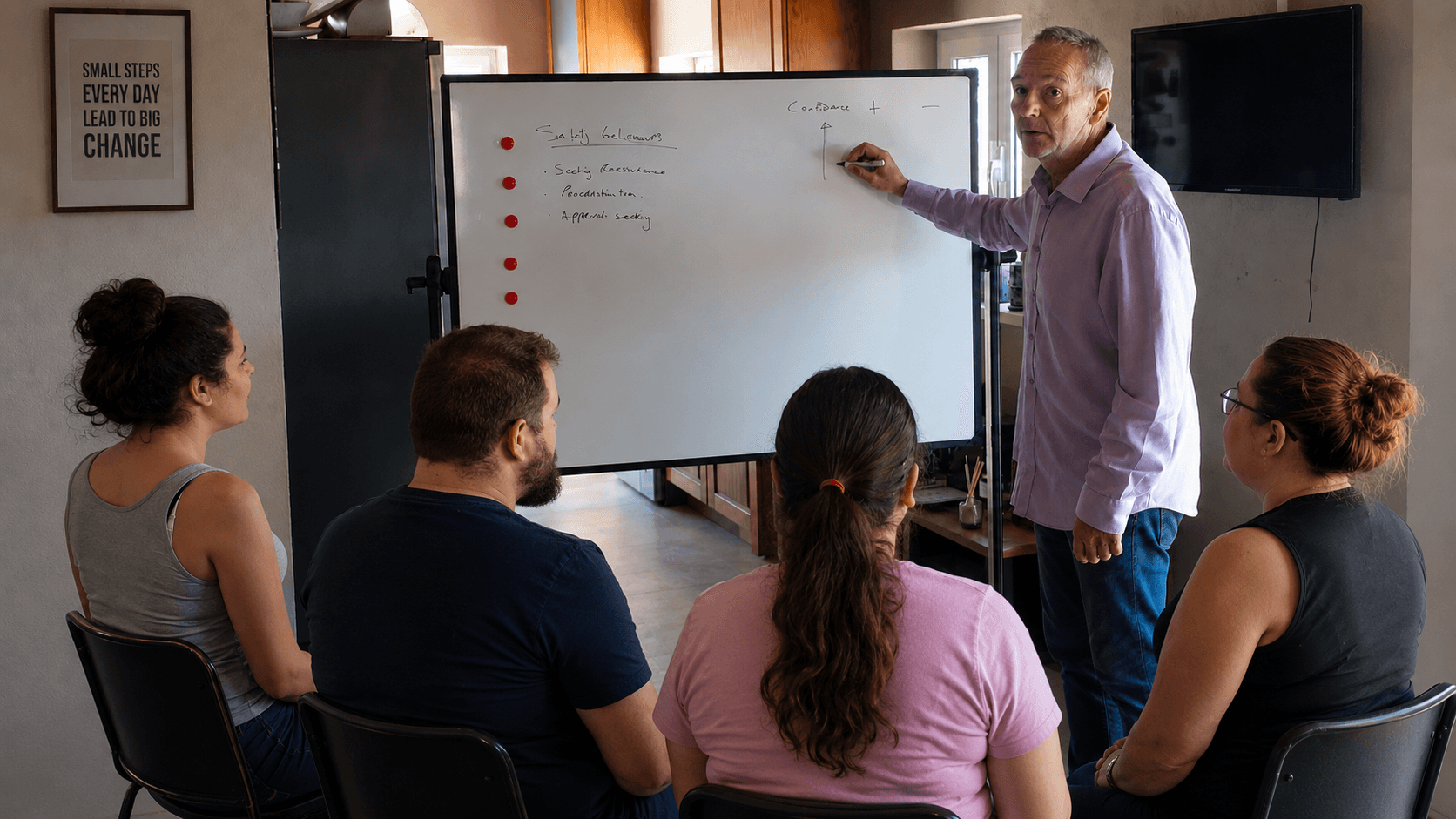
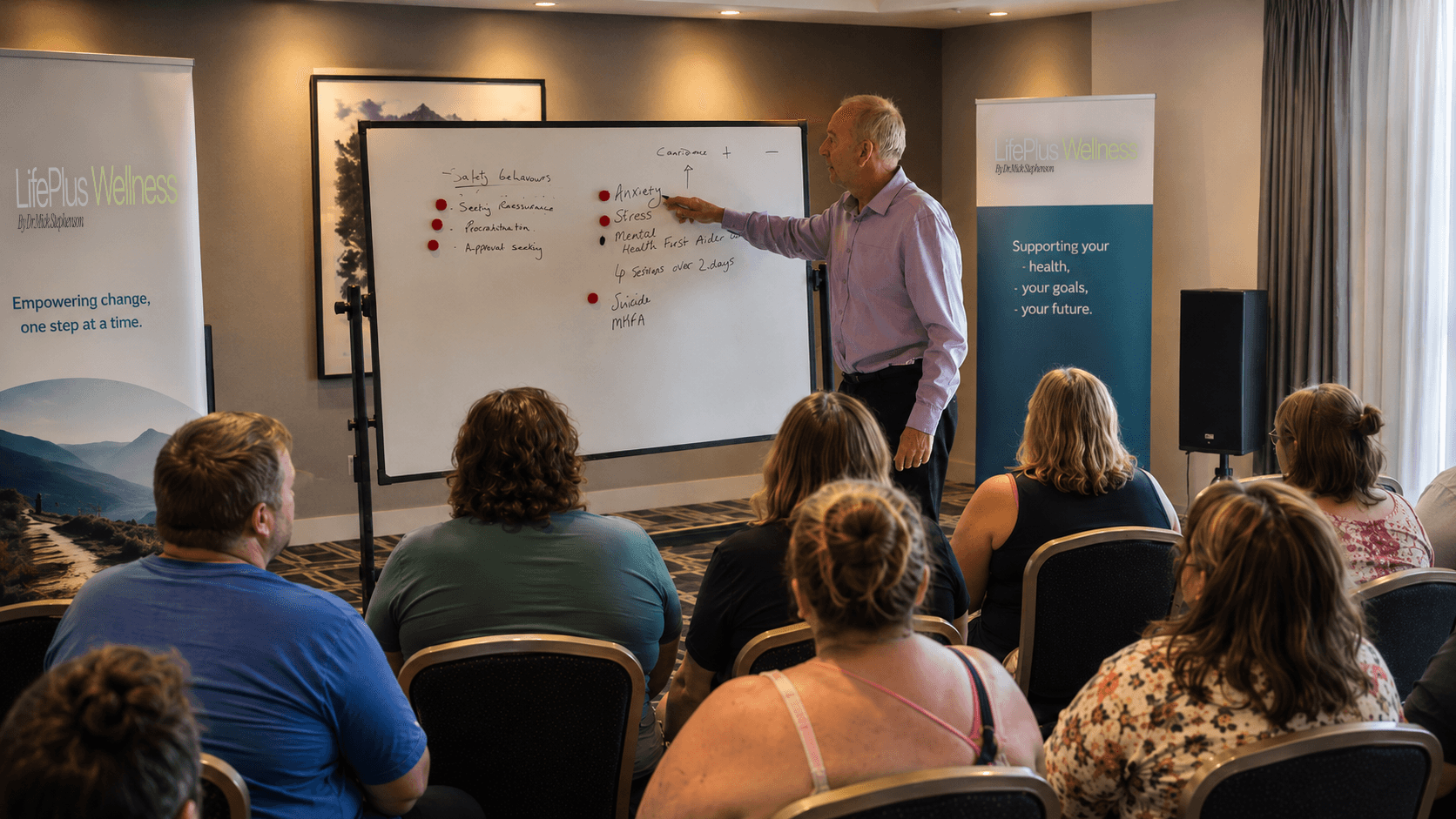
This opening session begins with introductions, setting the group agreement, defining goals and introducing the ‘seven core principles’ that will underpin our sessions. We will also explore unhelpful ‘safety behaviours’ and how they maintain unhealthy patterns of eating and prevent you from achieving your goals. Homework: Begin a ‘sustainable lifestyle plan’ that readies the environment and identifying personal safety behaviours.

Week 1: Understanding your eating patterns

We begin with welcoming everyone and helping participants settle in. We establish a group agreement, ensuring everyone feels ownership in a supportive atmosphere. We then explore ‘safety behaviours’; the subtle habits that keep people stuck in unhealthy eating patterns. We help participants recognise and replace these behaviours without shame, framing them as understandable coping strategies that can be changed.

Week 2: Hunger, urges & mindful eating

Participants are led through mindful eating exercises (with a small selection of foods), savouring and helping them tune into hunger, fullness, and emotional cues. We introduce ‘urge surfing’; guiding participants through the experience of ‘riding the wave’ of an impulse without acting on it. Participants are encouraged to integrate these practices into a ‘sustainable lifestyle plan’, reinforcing the idea that small mindful pauses can reshape daily habits.

Week 3: Thoughts, emotions & old patterns

The purpose of this session is to help participants capture the thoughts that drive emotional overeating. The atmosphere remains calm and reflective as we focus on these thoughts and their emotional impact. We introduce the concept of ‘The Mirror’, a metaphor for the subconscious mind, and demonstrate how CBT-informed exercises and gentle EMDR-informed practices such as bilateral tapping can help shift internal patterns. This session also explores how early messages form unconscious, rigid ‘rules for living’ that shape adult behaviour.

Week 4: Stress, setbacks & the ‘all-or-nothing’ trap

Any programme for overcoming emotional overeating needs to remind the participants of the traps that can quietly sabotage progress. Many people underestimate emotional triggers; slipping back into old patterns because they have not yet fully developed their coping skills and positive habits. Here, we consider how stress, boredom, loneliness or catastrophic thinking styles can turn a slip up into a spiral of defeat and abandonment of the plan.

Week 5: Energy, rest & looking after yourself

We introduce a powerful reframe: emotional overeating is often an energy regulation problem. We explore how low energy, poor physiological regulation, and misread body signals can mimic hunger. Fatigue can also drive cravings and emotional overeating. Participants learn more about the science of rest and the nervous system; helping them to understand why willpower alone is never the answer. We consider micro rests, sleep routines, and recovery strategies: supporting each participant in building a personalised rest-based plan.

Week 6: Putting it together

In this last session, we reflect on the whole programme and create a personal plan for recognising triggers, managing urges and maintaining the changes that feel helpful beyond these six weeks. Participants are then asked to complete their personal programme evaluation.

Testimonials

What Our clients Have to Say

What Our clients Have to Say

What Our clients Have to Say

Read a few selected reviews from people who previously joined us and started their weightloss journey through Life Plus Wellness

FAQ

Frequently Asked Questions

Frequently Asked Questions

Frequently Asked Questions

This isn’t another diet.

There are no calorie targets, weigh-ins or prescribed diet plans.

Instead, we will explore what happens before, during and after emotional overeating, and introduce practical psychological and lifestyle strategies that help you develop a different relationship with food.

What is emotional overeating?

Emotional overeating is using food to cope with feelings rather than physical hunger. Stress, boredom, loneliness, anxiety, or even happiness can trigger the urge to eat — even when your body doesn’t need fuel. Over time, this pattern can feel automatic and difficult to control.

Is this a diet or weight-loss programme?

No. This is not a restrictive diet plan. While weight changes can happen naturally, the main goal is to help you develop a balanced, peaceful relationship with food. When emotional eating decreases, weight regulation often becomes easier – but the focus is emotional wellbeing, not calorie counting.

How do I know if this course is right for me?

This course is for you if you: eat when you’re stressed, overwhelmed or upset; feel out of control around certain foods; start a diet with good intentions but can’t maintain it; struggle with guilt or shame after eating; or want to understand why you overeat, not just “use more willpower”. You don’t need a diagnosis – just a desire to change your relationship with food.

What will I learn in the 6 weeks?

Over 6 weeks, you’ll learn how to: identify your emotional triggers; tell the difference between physical and emotional hunger; break the binge–restrict cycle; build healthier coping strategies; improve body image and self-compassion; and create sustainable eating habits without strict dieting. This course focuses on long-term change, not quick fixes.

How is this different from dieting?

Dieting often focuses on rules, restriction and willpower. Emotional overeating is rarely about a lack of discipline – it’s about unmet emotional needs and coping patterns. This course helps you work with your emotions instead of fighting them, understand the psychology behind your eating, and build sustainable habits that last beyond 6 weeks.

What is emotional overeating?

Emotional overeating is using food to cope with feelings rather than physical hunger. Stress, boredom, loneliness, anxiety, or even happiness can trigger the urge to eat — even when your body doesn’t need fuel. Over time, this pattern can feel automatic and difficult to control.

Is this a diet or weight-loss programme?

No. This is not a restrictive diet plan. While weight changes can happen naturally, the main goal is to help you develop a balanced, peaceful relationship with food. When emotional eating decreases, weight regulation often becomes easier – but the focus is emotional wellbeing, not calorie counting.

What will I learn in the 6 weeks?

This course is for you if you: eat when you’re stressed, overwhelmed or upset; feel out of control around certain foods; start a diet with good intentions but can’t maintain it; struggle with guilt or shame after eating; or want to understand why you overeat, not just “use more willpower”. You don’t need a diagnosis – just a desire to change your relationship with food.

What will I learn in the 6 weeks?

Over 6 weeks, you’ll learn how to: identify your emotional triggers; tell the difference between physical and emotional hunger; break the binge–restrict cycle; build healthier coping strategies; improve body image and self-compassion; and create sustainable eating habits without strict dieting. This course focuses on long-term change, not quick fixes.

How is this different from dieting?

Dieting often focuses on rules, restriction and willpower. Emotional overeating is rarely about a lack of discipline – it’s about unmet emotional needs and coping patterns. This course helps you work with your emotions instead of fighting them, understand the psychology behind your eating, and build sustainable habits that last beyond 6 weeks.

Our Journal

Insights & Practices

Insights & Practices

Insights & Practices

Explore reflections, guidance, and insights to support your mindful path towards inner balance and personal growth.