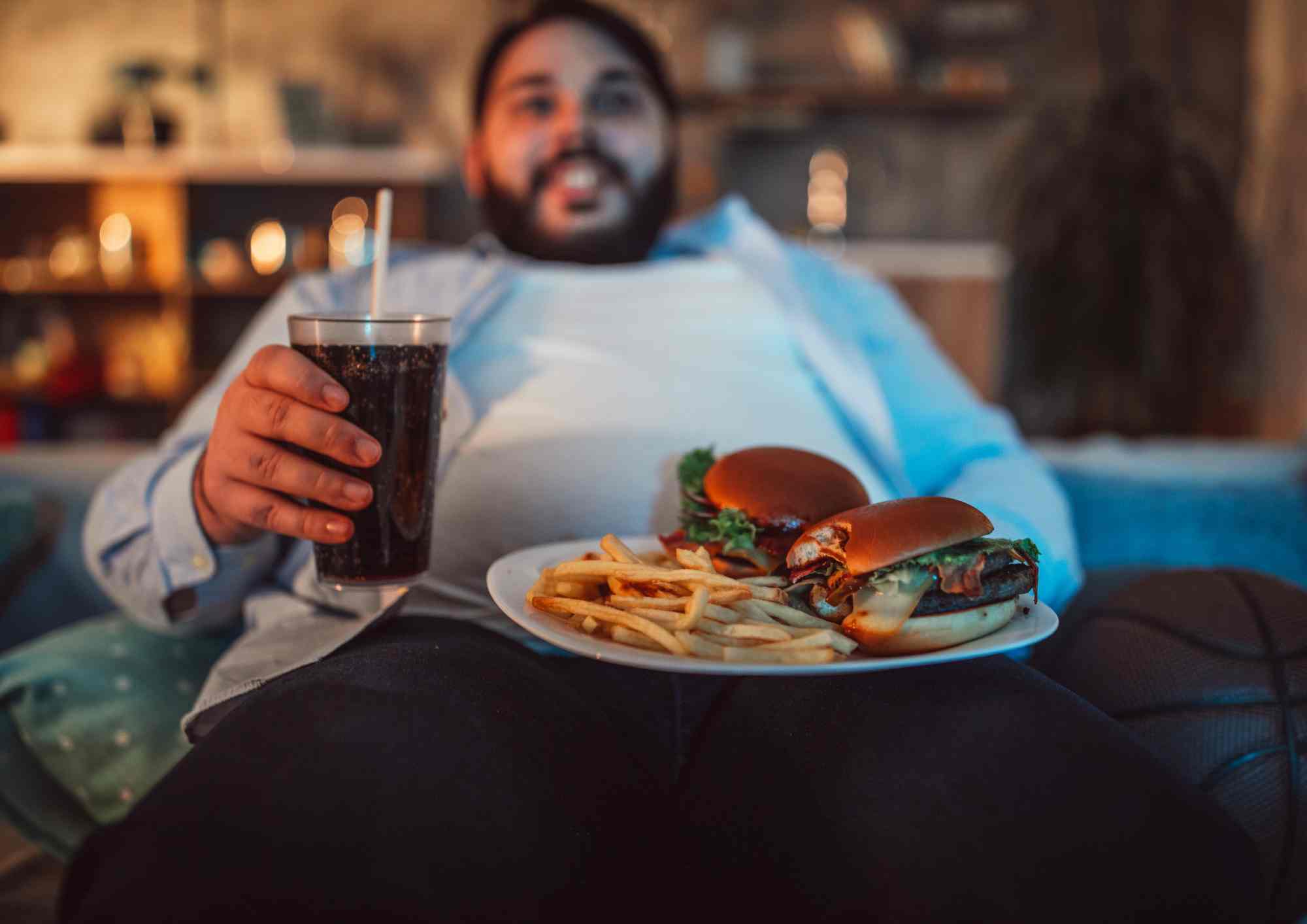
What Is Emotional Overeating?
Emotional overeating is the tendency to eat in response to feelings rather than hunger. People may turn to food to cope with stress, anxiety, sadness, boredom, or loneliness. Unlike physical hunger, emotional eating is driven by the desire to soothe or numb uncomfortable emotions, often leading to overeating, guilt, or a disrupted relationship with food.
Who Is It For?
Emotional overeating can affect anyone, regardless of age, gender, or body size. It’s particularly common in people who:
Use food as a coping mechanism for stress or emotional distress
Struggle with low self-esteem or self-criticism
Experience weight fluctuations linked to mood or emotional events
Have a history of dieting, restrictive eating, or disordered eating patterns
How It Happens
Emotional overeating is often triggered by:
Stress or anxiety: Turning to food for comfort or distraction
Negative emotions: Eating to numb sadness, anger, or loneliness
Habitual patterns: Using food as a reward or punishment
Hormonal and neurological factors: Stress hormones like cortisol can increase cravings for high-calorie “comfort foods”
How It Helps to Address It
Recognising and addressing emotional overeating involves:
Developing emotional awareness to understand triggers and feelings
Learning mindful eating techniques to separate hunger from emotional urges
Building healthier coping strategies for stress, anxiety, or boredom
Addressing underlying emotional issues through therapy, such as CBT or EMDR
Creating a supportive environment that promotes balanced nutrition and self-compassion
Why It Matters
Emotional overeating can lead to unwanted weight gain, guilt, and a disrupted relationship with food. By understanding the emotional drivers of eating, individuals can develop healthier habits, improve emotional resilience, and regain control over their food choices, supporting both mental and physical wellbeing.